How to Relieve Arthritis in Your Knee?

Knee pain can make ordinary moments feel surprisingly difficult. A short walk may become a negotiation with every step. Stairs, gardening, and standing from a chair can also expose the limits of an irritated joint. This guide explores practical ways to relieve arthritis in your knee without promising a perfect or instant cure. Symptoms often include stiffness, swelling, tenderness, and pain after activity. However, similar signs can come from injuries or other conditions. A healthcare professional should confirm the diagnosis, especially when the knee suddenly becomes hot, severely swollen, unstable, or impossible to bear weight on.

Rheumatologist and osteoarthritis researcher Dr. David Hunter has described exercise as “the best medicine for osteoarthritis.” His statement reflects an important clinical principle: carefully chosen movement can strengthen supporting muscles and improve joint function. Low-impact activities, such as cycling, swimming, and controlled walking, may feel more manageable than running. Weight management, physical therapy, supportive footwear, and prescribed medicines may also help. Small changes matter.

Still, advice must remain personal. One person may improve with strength training, while another needs rest during a flare. I have to acknowledge an uncomfortable truth: popular home remedies are not equally supported by evidence. Heat may ease morning stiffness, but it will not repair damaged cartilage. Ice may calm swelling, yet excessive use can irritate the skin. This article will examine dependable options, warning signs, and questions to discuss with a qualified clinician. Relief is possible, but it usually develops through consistent, measured care rather than one dramatic solution.

How to Relieve Arthritis in Your Knee?

Understanding the Causes and Types of Knee Arthritis

How to Relieve Arthritis in Your Knee?

Knee arthritis is not one single condition. Osteoarthritis develops as cartilage gradually changes, often with age, previous injuries, or repeated joint stress. Rheumatoid arthritis is different. It occurs when the immune system attacks joint tissues, causing swelling and stiffness. Gout and calcium crystal arthritis can also create sudden, painful attacks. Pain is not a perfect map, though. Mild X-ray changes may hurt greatly, while advanced changes may cause fewer symptoms.

Relief depends on the cause and the person. A clinician may examine walking patterns, swelling, movement, and medical history before recommending treatment. Gentle strength exercises can support the muscles around the knee. Low-impact activities, such as cycling or water exercise, may reduce strain. Weight changes can help some people, but they are not the only answer. Heat may ease stiffness, while cold can calm swelling after activity. Persistent locking, redness, fever, or sudden severe pain needs prompt medical attention.

Tips: Track when pain appears, including after stairs, rest, or exercise. Wear supportive footwear and increase activity slowly. Do not push through sharp pain. I once assumed more exercise always meant faster improvement, but that idea is too simple. A physical therapist can adjust movements when symptoms change. Pain medicines should be discussed with a qualified healthcare professional, especially with stomach, kidney, heart, or blood-pressure concerns.

Recognizing Symptoms and Knowing When to Seek Care

How to Relieve Arthritis in Your Knee?

Knee arthritis often develops gradually. You may notice aching after stairs, walking, or standing for long periods. Morning stiffness can occur, but it usually eases within 30 minutes. Swelling, grinding, reduced movement, or a feeling of weakness may also appear. Pain does not always match an X-ray. A mildly abnormal scan can hurt greatly, while advanced changes may cause few symptoms.

Pay attention to patterns. Record when pain starts, what activities worsen it, and whether your knee feels unstable. Gentle movement, low-impact exercise, and pacing may help. A physical therapist can teach strengthening exercises for the thigh and hip. Ice may calm swelling after activity. Avoid pushing through sharp pain. That advice sounds simple, but it is often ignored.

Arrange a medical assessment if symptoms last several weeks, disturb sleep, or limit work and daily tasks. Seek prompt care after an injury if you cannot bear weight, fully bend the knee, or notice sudden swelling. A hot, red knee with fever needs urgent evaluation, especially if pain begins suddenly. Calf swelling, chest pain, or shortness of breath also require immediate medical attention. A clinician may examine your gait, joint movement, and swelling, then consider imaging or blood tests. Do not assume every painful knee is arthritis. Sometimes tendon problems, gout, infection, or a ligament injury look similar.

How to Relieve Arthritis in Your Knee? — Recognizing Symptoms and Knowing When to Seek Care

How to read this chart: This chart uses the five-item pain subscale from a standardized knee osteoarthritis questionnaire. Each symptom is scored from 0 to 4, where 0 means no pain and 4 means extreme pain. The total pain score ranges from 0 to 20; a higher score indicates greater pain impact.

Relief may include gentle strengthening and flexibility exercises, weight management when appropriate, pacing activities, heat or cold therapy, and clinician-guided pain treatment. Seek prompt medical care for a hot, red, severely swollen knee, sudden inability to bear weight, major injury, fever, or rapidly worsening symptoms.

Confirming Knee Arthritis Through Medical Evaluation

How to Relieve Arthritis in Your Knee?

Confirming knee arthritis starts with a careful medical evaluation, not a painkiller trial. Knee pain has many causes, including ligament injury, bursitis, gout, and nerve problems. Osteoarthritis remains widespread. The World Health Organization reported that 528 million people lived with osteoarthritis worldwide in 2019. About 365 million cases involved the knee.

A clinician will ask when pain began, what worsens it, and whether morning stiffness lasts longer than 30 minutes. They may check swelling, warmth, alignment, walking pattern, and knee movement. These details matter. Pain alone can mislead.

Weight-bearing knee X-rays commonly assess joint-space narrowing, bone spurs, and alignment. The American College of Radiology identifies radiography as an appropriate first imaging test for chronic knee pain. However, an X-ray can look severe while symptoms remain mild. The reverse can happen too. That mismatch deserves discussion.

Blood tests do not confirm ordinary osteoarthritis. They can help exclude rheumatoid arthritis, infection, or crystal-related inflammation when symptoms suggest them. Magnetic resonance imaging is usually reserved for unclear cases or suspected soft-tissue damage. It is not automatically necessary.

Bring a short symptom record to the appointment. Note stairs, standing time, swelling, sleep disruption, and previous injuries. Also mention weight changes and other joint symptoms. A diagnosis should fit the examination and daily experience, not one scan alone. I have seen patients focus on the report and overlook function. That is an understandable mistake, but it can delay the right care.

Using Daily Habits and Nonsurgical Treatments for Relief

How to Relieve Arthritis in Your Knee?

Knee arthritis often responds to small, consistent changes rather than one dramatic treatment. Gentle movement can reduce stiffness and protect daily function. Try five minutes of slow walking before household tasks. Then add low-impact exercise, such as cycling, swimming, or guided strengthening. A physical therapist can teach safer exercises for your pain level and movement pattern.

Heat may loosen a stiff knee before activity. A cold pack can help after exercise if swelling appears. Keep each session comfortable, and increase effort gradually. Weight management may also reduce pressure on the knee, even with modest changes. Supportive shoes can make standing on hard floors less tiring. I have found that pacing matters, although people often push too far on better days. That mistake can delay progress.

Tips: Break chores into short blocks. Rest before severe pain starts. Use a chair while preparing food. Ask a clinician about topical anti-inflammatory medicine, oral options, or injections. These treatments may help, but medical history and other medicines matter. Do not ignore a hot, very swollen knee, sudden weakness, or inability to bear weight. Seek professional assessment for these symptoms. Keep a simple weekly note about pain, walking time, sleep, and swelling. It can reveal patterns that memory misses.

How to Relieve Arthritis in Your Knee? - Using Daily Habits and Nonsurgical Treatments for Relief

Approach How It May Help Practical Use Typical Evidence or Expected Benefit Important Safety Notes
Low-impact exercise Strengthens the muscles around the knee, improves joint movement, and supports daily function. Try walking, cycling, swimming, water exercise, or a gradual strengthening program. Begin with short sessions and increase slowly. Exercise is a core treatment for knee osteoarthritis and can reduce pain while improving physical function. Mild muscle soreness can occur. Stop and seek medical advice for severe pain, marked swelling, or joint instability.
Quadriceps and hip strengthening Improves support and control around the knee, which may reduce strain during standing and walking. Common exercises include sit-to-stands, straight-leg raises, step-ups, and resistance-band work, adjusted to ability. Targeted strengthening is commonly included in physical therapy programs for knee arthritis. A physical therapist can help select safe movements, especially after injury or surgery.
Weight management Reduces mechanical load on the knee and may decrease inflammation associated with excess body weight. Use a gradual nutrition and activity plan. Even modest weight loss can be clinically meaningful for people who are overweight. Weight loss combined with exercise can improve pain and function more than either approach alone. Avoid extreme diets. A healthcare professional or registered dietitian can provide individualized guidance.
Pacing and activity modification Helps prevent pain flares caused by sudden increases in walking, stairs, kneeling, or prolonged standing. Alternate activity with rest, break demanding tasks into smaller steps, and increase activity gradually. Consistent, moderate activity is generally better tolerated than repeated cycles of overexertion and prolonged inactivity. Avoid complete long-term rest because it may worsen stiffness and muscle weakness.
Heat therapy May relax muscles and reduce stiffness, particularly before movement. Apply a comfortably warm pack for about 15–20 minutes, with a cloth barrier between the heat source and skin. Often provides short-term relief of stiffness and discomfort; it does not repair cartilage. Avoid excessive heat, sleeping on a heating pad, or use over areas with reduced sensation.
Cold therapy Can temporarily reduce pain and swelling after activity. Use a cold pack wrapped in cloth for about 10–20 minutes, allowing the skin to return to normal temperature afterward. May be useful for short-term symptom control during a flare or after exercise. Do not apply ice directly to the skin or use it if circulation or sensation is significantly impaired.
Physical therapy Provides an individualized program for strength, flexibility, balance, gait, and joint protection. A therapist may assess movement patterns and prescribe home exercises that match symptoms and fitness level. Can improve pain and function, especially when exercises are performed consistently. Progress should be gradual; worsening symptoms should be discussed with the therapist.
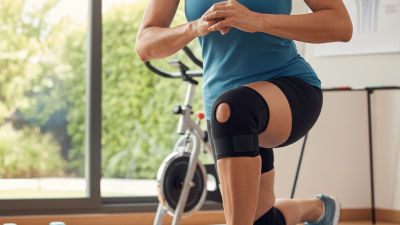
Walking aid or knee brace May improve stability, reduce stress on painful areas, or make walking safer. A cane is generally held in the hand opposite the painful knee. Braces should be fitted and selected for the specific problem. Can provide symptom relief for some people, particularly when instability or uneven load is present. Incorrect height or fit may increase discomfort. Seek professional fitting advice.
Topical anti-inflammatory medicine Reduces local pain and inflammation with less whole-body exposure than an oral anti-inflammatory drug. Apply only as directed to intact skin and wash hands after use unless the hands are being treated. Topical nonsteroidal anti-inflammatory medicines are recommended or supported for many adults with knee osteoarthritis. Check for drug interactions, allergies, skin reactions, pregnancy-related restrictions, and other contraindications.
Oral anti-inflammatory medicine May reduce moderate pain and inflammation when other measures are insufficient. Use the lowest effective dose for the shortest appropriate period, following medical or pharmacy advice. Can relieve symptoms, but risks increase with longer use and higher doses. May affect the stomach, kidneys, blood pressure, heart, or bleeding risk. Professional advice is important for older adults or people with chronic conditions.
Corticosteroid injection Can reduce inflammation and pain inside the joint for a limited period. Administered by a qualified healthcare professional after assessment of the knee. Often provides short-term relief; the duration and response vary among individuals. Possible risks include infection, temporary blood-glucose elevation, and post-injection flare. Repeated injections require careful medical judgment.
Sleep and general health habits Good sleep, stress management, and balanced nutrition can support pain coping, energy, and participation in exercise. Keep a regular sleep schedule, use relaxation techniques, and maintain a balanced diet with adequate protein and fiber. These habits support overall well-being but should complement, not replace, evidence-based knee treatment. Be cautious with unproven supplements or restrictive diets; discuss supplements with a healthcare professional.

Safety reminder: Seek medical assessment for a hot, very swollen, or suddenly painful knee, fever, inability to bear weight, significant injury, or rapidly worsening symptoms. This table is general educational information and is not a diagnosis or individualized treatment plan.

Exploring Injections and Surgery When Other Options Fail

When knee arthritis continues despite exercise, weight management, physical therapy, and pain medicine, injections may offer temporary relief. A clinician should examine your walking pattern, joint stability, and X-rays before recommending one. The injection choice depends on your symptoms, health history, and arthritis severity.

Corticosteroid injections can reduce swelling and pain for several weeks. They may help someone climb stairs or sleep more comfortably. Relief varies, and repeated injections require careful discussion because potential risks include infection, skin changes, and blood sugar increases. Hyaluronic acid injections help some patients, but research results are inconsistent. Platelet-based injections also remain uncertain and may be expensive. No injection is a reset button.

Surgery becomes more reasonable when pain limits daily life, sleep, or work despite well-planned nonsurgical care. Arthroscopy usually does not repair ordinary age-related arthritis, especially without a trapped or torn structure. Partial or total knee replacement may provide lasting improvement for carefully selected patients. Recovery involves swelling, walking practice, and months of strengthening. It is not effortless.

A second opinion can be useful. Ask what problem the operation will solve, how long benefits may last, and what happens if recovery is slower than expected. A common mistake is focusing only on the scan. Your pain, mobility, goals, and medical conditions matter too. Decisions should be shared with a qualified orthopedic professional, not based on an injection advertisement or a single X-ray.

DISCOVER THE POTENTIAL OF INNOVATIVE PROSTHETICS

From minor to severe injuries, our team develops advanced devices designed to support recovery and promote overall wellness.

Contact Us