
What is Osteo Arthrosis and How Does It Affect Joint Health?
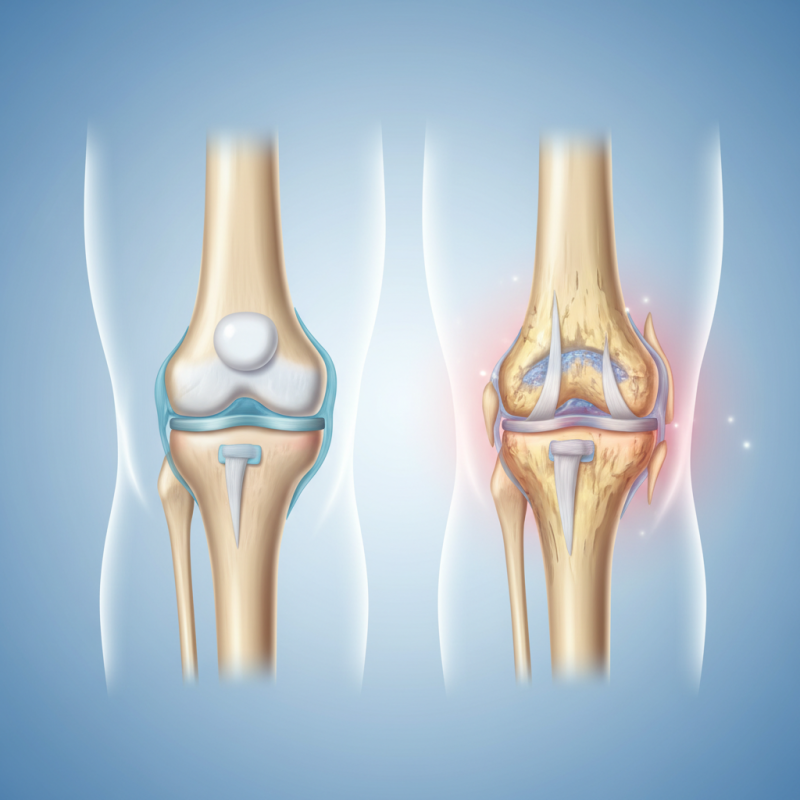
Osteo arthrosis, commonly known as osteoarthritis, is a degenerative joint disease that affects millions worldwide. It occurs when the cartilage that cushions joints deteriorates over time. People with osteo arthrosis often experience pain, stiffness, and swelling in affected joints. These symptoms can lead to reduced mobility and difficulty in daily activities.
Understanding osteo arthrosis is crucial for joint health. It primarily affects weight-bearing joints like the knees and hips. Obesity, age, and previous injuries are risk factors. Although it's a common condition, many still lack knowledge about its progression and management.
Managing osteo arthrosis requires a comprehensive approach. Lifestyle changes, including weight management and regular exercise, can alleviate symptoms. Physical therapy offers tailored exercises to strengthen surrounding muscles. Not everyone finds relief with treatment, and understanding why is essential for patients and healthcare providers alike.
Definition and Overview of Osteo Arthrosis
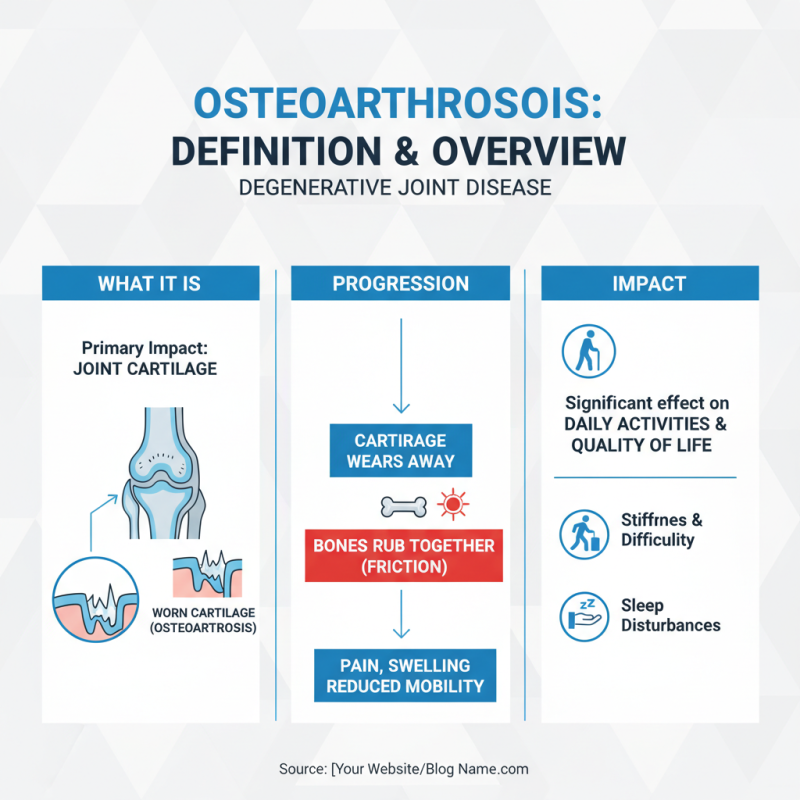
Osteo arthrosis, commonly called osteoarthritis, is a degenerative joint disease. It primarily affects the cartilage, which cushions the joints. As the cartilage wears away, bones begin to rub against each other. This friction causes pain, swelling, and reduced mobility. Over time, the impact on daily activities can be significant.
The disease often develops gradually. Factors include aging, obesity, and previous joint injuries. People with osteoarthrosis may experience stiffness, especially after periods of inactivity. Some days may feel better than others, leading to frustration. This unpredictability can affect mental health, contributing to feelings of isolation or sadness.
Understanding osteo arthrosis is crucial for management. Low-impact exercises may help strengthen the muscles around the joint. Patients should consider working with healthcare professionals to create personalized strategies. Education about the condition empowers individuals to make informed decisions about their health journey.
Causes and Risk Factors for Developing Osteo Arthrosis
Osteoarthrosis, often known as osteoarthritis,
is a degenerative joint disease. It affects millions of people worldwide. Understanding its causes and risk
factors is essential for prevention and management.
Age is a major risk
factor for developing osteoarthrosis. As we age, cartilage wears down, leading to pain and stiffness.
Obesity adds extra weight on joints. This increases
the strain on knees and hips, making symptoms worse. Genetics
can also play a significant role. If your family has a history of joint issues, your risk is higher.
Injuries from sports or accidents can contribute to osteoarthrosis. If you've had a joint injury, be cautious. Proper rehabilitation can minimize long-term damage. Remember, there's no one-size-fits-all approach. Every body is unique, and listening to your body is crucial.
Symptoms and Diagnosis of Osteo Arthrosis
Osteo arthrosis, or osteoarthritis, significantly impacts joint health. Individuals often experience joint pain and stiffness. These symptoms typically worsen with activity and improve with rest. Swelling may occur around affected joints. Over time, reduced mobility may develop, making daily tasks difficult. Patients might notice creaking or grinding sounds when moving their joints.
Diagnosing osteo arthrosis requires a thorough examination. Doctors assess medical history and conduct physical exams. Imaging tests, like X-rays, reveal joint damage. Blood tests may help rule out other conditions. It's common to overlook early signs of osteoarthritis, leading to delayed treatment. Awareness of symptoms is crucial for timely management. Regular consultations with healthcare providers can improve outcomes. Relying solely on self-diagnosis may lead to missed opportunities for effective intervention.
Impact of Osteo Arthrosis on Joint Health
This bar chart illustrates the impact of osteo arthrosis on various joint health symptoms, such as pain level, mobility as a percentage of normal, swelling level, and stiffness level. The data highlights the challenges faced by individuals suffering from osteo arthrosis.
Impact of Osteo Arthrosis on Joint Function and Quality of Life
Osteo arthrosis, commonly known as osteoarthritis, profoundly impacts joint function and quality of life. It is one of the most prevalent forms of arthritis, affecting over 300 million individuals worldwide. This condition leads to the degeneration of cartilage, resulting in pain and stiffness. For many, simple activities like walking or climbing stairs become daunting tasks.
Research indicates that around 80% of those with osteoarthritis experience limited mobility. Pain management becomes a crucial aspect of their daily lives. The emotional toll is also significant. Studies show that individuals with chronic pain are more likely to experience anxiety and depression. This means that osteoarthritis can diminish both physical and mental health.
Moreover, the financial burden of osteoarthritis cannot be overlooked. The cost of treatment and lost productivity adds up to billions each year. Without effective management, individuals may struggle with social interactions and personal relationships. This creates a cycle of isolation and despair for many. The need for comprehensive care and support is critical as society grapples with the effects of this debilitating condition.
What is Osteo Arthrosis and How Does It Affect Joint Health?
| Aspect | Description | Impact on Joint Health | Impact on Quality of Life |
|---|---|---|---|
| Definition | A degenerative joint disease characterized by the breakdown of cartilage. | Leads to reduced joint mobility and pain. | Can lead to decreased physical activity and increased disability. |
| Symptoms | Pain, stiffness, swelling, and decreased range of motion. | Affects daily activities and function of the joint. | Can cause emotional distress and affect mental well-being. |
| Causes | Age, joint injury, obesity, and genetics. | Increased wear and tear on joints. | Management is necessary to maintain quality of life. |
| Treatment Options | Physical therapy, medications, and sometimes surgery. | Can improve joint function and reduce pain. | Improvement in joint health contributes to overall quality of life. |
| Prevention | Maintain a healthy weight, regular exercise, and joint protection. | Helps minimize stress on joints. | Encourages an active lifestyle and overall well-being. |
Treatment Options and Management Strategies for Osteo Arthrosis
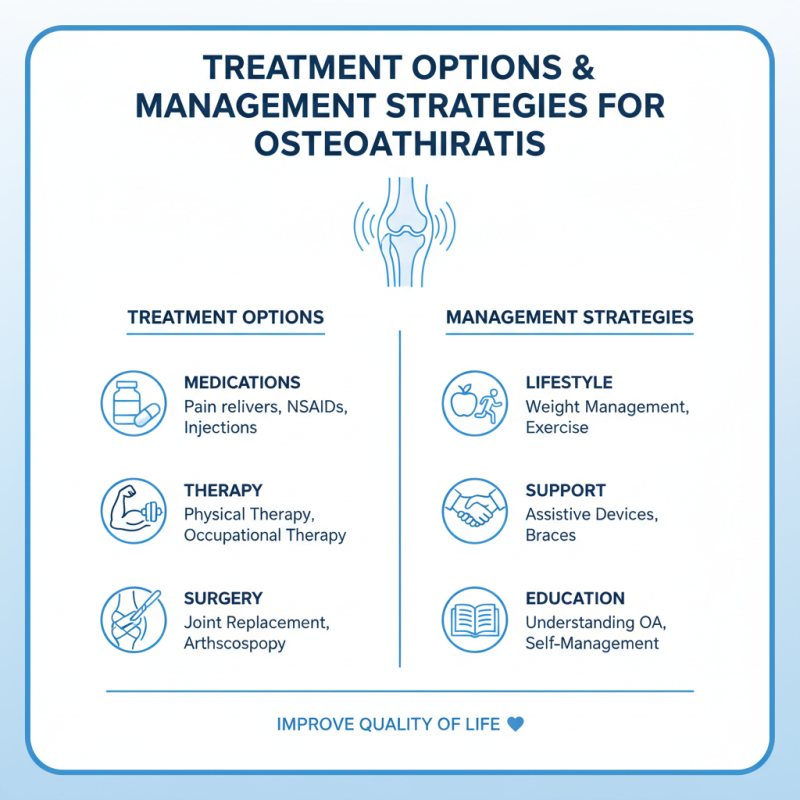
Osteo arthrosis, also known as osteoarthritis, affects millions worldwide. This degenerative joint disease often leads to joint pain and stiffness. Treatment options can help manage symptoms and improve quality of life.
Medications are a common approach. Over-the-counter pain relievers provide temporary relief. Sometimes, more powerful prescription medications are required. Topical treatments, like creams, can also be effective for localized pain. Physical therapy is another valuable option. A skilled therapist can design a custom exercise program to strengthen muscles around the joints, improving stability and reducing discomfort.
Tips for managing osteo arthrosis include maintaining a healthy weight. Extra pounds put pressure on weight-bearing joints. Regular low-impact exercises, like swimming or cycling, are beneficial. They help keep joints mobile without causing excessive strain. Always consult a healthcare professional before starting any new treatment.
In some cases, surgical options are necessary. Procedures like joint replacement can provide significant pain relief. However, surgery comes with risks and recovery time. Evaluating all treatment paths is crucial in managing this condition effectively. Remember, listening to your body is key. Adjust activities as needed and seek help when symptoms worsen.
Related Posts
-
Top 10 Symptoms of Osteo Arthrosis You Should Not Ignore?
-

Why Do We Experience Knee and Joint Pain?
-

2026 Top Insights on Mild Osteoarthritis Management Trends?
-

2026 Best Solutions for Osteoarthritis and Knee Replacement Options?
-

2026 How to Manage the Effects of Osteoarthritis Effectively?
-

How to Find the Best Osteoarthritis Support Resources for Your Needs?
DISCOVER THE POTENTIAL OF INNOVATIVE PROSTHETICS
From minor to severe injuries, our team develops advanced devices designed to support recovery and promote overall wellness.