Top 10 Effects of Osteoarthritis You Should Know About?
Osteoarthritis (OA) is a prevalent joint condition affecting millions worldwide. According to the CDC, it impacts over 32 million adults in the United States alone. Understanding the effects of osteoarthritis is crucial for both patients and healthcare providers. The condition leads to pain, stiffness, and decreased mobility, significantly impeding daily activities.
Research shows that OA can also have psychological effects. Patients often experience anxiety and depression due to chronic pain. According to the Arthritis Foundation, nearly 30% of individuals living with OA report feelings of sadness. Osteoarthritis can create a vicious cycle, affecting not just physical health but also emotional well-being.
Moreover, the economic implications are substantial. The annual cost of OA management can exceed $185 billion in the U.S. This figure highlights the urgent need to address both the physical and financial effects of osteoarthritis. Awareness of these effects is vital for improving quality of life for those affected and informs better strategies for management and treatment.

Understanding Osteoarthritis: A Comprehensive Overview
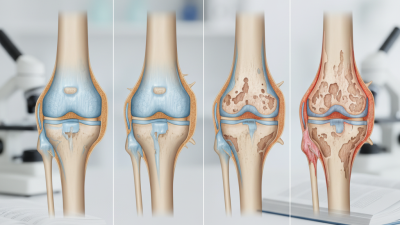
Osteoarthritis is a degenerative joint disease that affects millions worldwide. According to the Arthritis Foundation, around 32.5 million adults in the U.S. suffer from osteoarthritis. This condition occurs when cartilage deteriorates, leading to painful joint inflammation. It primarily affects weight-bearing joints such as the knees and hips. Many people overlook its gradual onset, attributing discomfort to normal aging.
Research indicates that osteoarthritis can significantly hinder daily activities. A study published in the Journal of Rheumatology revealed that individuals with this condition often experience reduced mobility and quality of life. They may struggle with basic activities like walking or climbing stairs. Interestingly, psychological impacts, including depression and anxiety, can also stem from chronic pain. The emotional toll is as significant as the physical one.
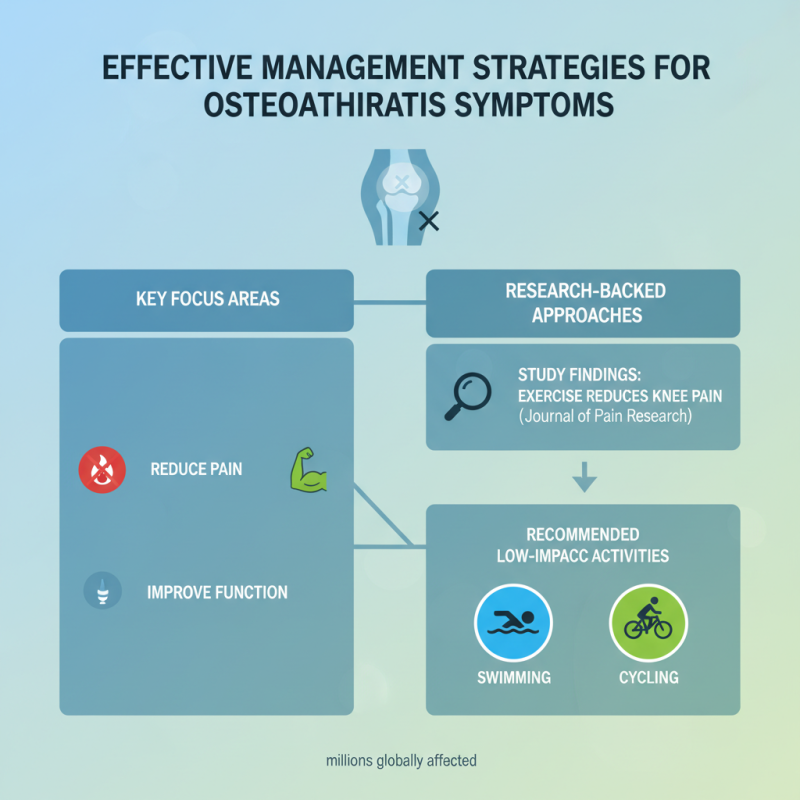
Lifestyle factors play a crucial role in managing osteoarthritis. Maintaining a healthy weight can alleviate stress on joints. A report by the National Institute of Health highlights that losing just 10% of body weight can lead to a 50% reduction in pain for obese individuals. Furthermore, consistent low-impact exercise, such as swimming or cycling, is essential for joint health. Education and awareness surrounding osteoarthritis remain crucial, as many individuals remain unaware of the condition's complexities and potential management strategies.
Top 10 Effects of Osteoarthritis You Should Know About
Osteoarthritis is a degenerative joint disease that can lead to a variety of symptoms and complications. The following chart illustrates the most common effects experienced by individuals living with osteoarthritis, based on percentage of affected persons.
Common Symptoms of Osteoarthritis You Need to Recognize
Osteoarthritis is a common joint disorder. It gradually worsens over time. Recognizing its symptoms is crucial for managing the condition effectively.
One primary sign is joint pain. This pain tends to get worse after physical activity. You might also notice stiffness, especially in the morning or after sitting for long periods. Swelling in the affected joints can occur, which may affect your daily activities. Limited range of motion often accompanies these symptoms, making simple tasks difficult.
Another common symptom is a grating sensation. You may feel or hear a clicking sound in the joints when you move them. This can be unsettling and is often a signal to pay attention. It's important to acknowledge these indicators early on. Ignoring them can lead to further complications down the road. Your lifestyle choices also play a role in the severity of symptoms. Staying active is beneficial, but it's essential to find the right balance.
Top 10 Effects of Osteoarthritis You Should Know About
| Effect |
Description |
Common Symptoms |
| Joint Pain |
Chronic pain in the affected joints. |
Pain during movement, tenderness in joints. |
| Stiffness |
Feeling of tightness in the joints. |
Morning stiffness, stiffness after sitting. |
| Swelling |
Inflammation in the joint area. |
Visible swelling, warmth around joints. |
| Decreased Range of Motion |
Limitation in the movement of joints. |
Difficulty in bending or straightening joints. |
| Creaking Sounds |
Grating noise when moving joints. |
Cracking or popping sounds in joints. |
| Bone Spurs |
Bony projections on the edges of bones. |
Lumps near affected joints, persistent pain. |
| Joint Instability |
Feeling that the joint may give way. |
Frequent falls or difficulty in balance. |
| Fatigue |
General tiredness from chronic pain. |
Decreased energy, tiredness throughout the day. |
| Mood Changes |
Impact on mental health due to chronic pain. |
Feeling depressed or anxious. |
| Sleep Disturbances |
Difficulty in sleeping due to pain. |
Waking up during the night, trouble falling asleep. |
How Osteoarthritis Affects Daily Activities and Quality of Life
Osteoarthritis significantly alters daily life. Those affected often experience pain and stiffness in their joints. According to a report from the Centers for Disease Control and Prevention, about 32.5 million adults in the U.S. suffer from this condition. This widespread prevalence shows how essential it is to understand its impact.
Activities like walking, climbing stairs, or even standing for long durations can provoke discomfort. For instance, simple motions like lifting a grocery bag can become daunting. Data suggests that osteoarthritis can contribute to decreased productivity, affecting work and social interactions. This can lead to a decline in mental health, as isolation may set in.
Tip: Incorporate gentle exercises into your routine. Stretching and low-impact activities can help reduce discomfort.
Moreover, sleep is often disrupted due to pain, which can result in fatigue and irritability. A study reveals that individuals with osteoarthritis frequently report higher rates of insomnia. Finding effective pain management strategies is crucial for improving sleep quality.
Tip: Utilize heat therapy or consult a physician for suitable pain relief options.
Managing osteoarthritis is a personal journey. Each day may present challenges, but understanding these hurdles can empower individuals to seek better solutions for improved daily living.
The Psychological Impact of Living with Osteoarthritis
Osteoarthritis significantly affects the psychological well-being of individuals. Many patients experience
anxiety and depression due to chronic pain. Research shows that nearly
40% of people with osteoarthritis report feeling depressed. This emotional burden often stems from limited mobility and social isolation.
Patients might avoid activities they once enjoyed due to fear of pain flares. This avoidance can worsen their mental health, creating a cycle that is hard to break.
Tips:
- Engage in light physical activities. Regular movement can help mitigate both pain and anxiety.
- Consider joining support groups. Sharing experiences with others can lessen feelings of isolation.
Living with osteoarthritis also poses daily challenges.
Decision fatigue often occurs as patients weigh options to avoid pain.
The uncertainty of how their bodies will react creates stress. This, in turn, can decrease overall life satisfaction.
Counseling or therapy specifically tailored for chronic pain can be beneficial. Such approaches help patients develop coping strategies.
Tips:
- Stay informed about your condition. Knowledge empowers patients to make better decisions.
- Mindfulness and relaxation techniques can also aid in managing stress levels.